
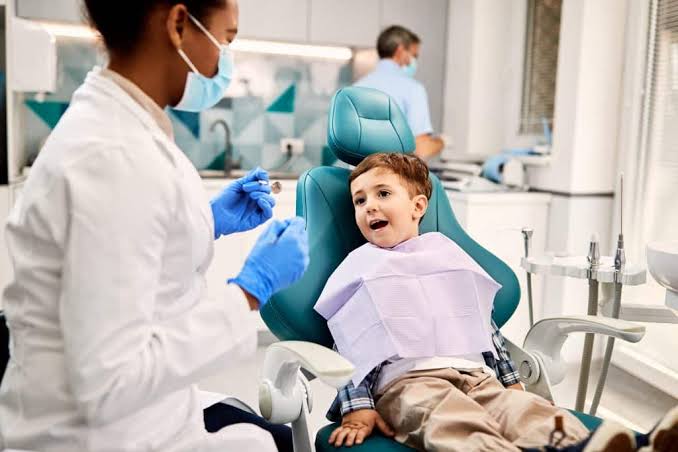
A healthy smile starts with everyday habits and regular attention to oral hygiene. While brushing and flossing are simple parts of a daily routine, maintaining good dental health involves more than cleaning your teeth at home. Regular dental visits can help identify potential concerns early, provide professional cleaning, and give patients useful guidance for maintaining their oral health.
Taking care of your teeth and gums can also contribute to everyday comfort and confidence. By combining good home-care habits with professional dental services, people can take practical steps toward maintaining a healthy smile for years to come.
Why Regular Dental Visits Matter
Routine dental appointments are an important part of preventive oral care. Even with consistent brushing and flossing, plaque and tartar can build up in areas that are difficult to clean at home. Professional cleanings can help remove this buildup while allowing dental professionals to examine the teeth and gums.
Regular examinations may also help identify concerns such as cavities, gum problems, worn teeth, or other changes that may require attention. Visiting a dental practice regularly gives patients an opportunity to discuss concerns before they potentially become more complicated.
For personalized dental guidance and professional services, patients can learn more abouthttps://cumberlandpointedental.com/ and the dental care options available.
Create A Strong Home Dental Routine
Daily oral hygiene plays a major role in maintaining healthy teeth and gums. Brushing twice a day with fluoride toothpaste can help remove plaque and food particles from the surfaces of the teeth. Using a soft-bristled toothbrush and gentle brushing movements can also help protect the gums.
Flossing is equally important because toothbrush bristles cannot always reach the spaces between teeth. Cleaning between the teeth regularly can help remove debris and plaque from areas that are otherwise easy to miss.
Replacing a toothbrush or toothbrush head when the bristles become worn can also help maintain an effective cleaning routine.
Pay Attention To Your Gums
Healthy gums are an important part of overall oral health. Changes such as bleeding while brushing, swelling, tenderness, or persistent redness may indicate that the gums need additional attention.
Occasional changes may have different causes, but ongoing symptoms should be discussed with a dental professional. A dental examination can help determine what may be contributing to the problem and whether professional treatment or improved home care is recommended.
Keeping an eye on your gums can make it easier to notice changes early and seek appropriate guidance.
Be Careful With Sugary Foods And Drinks
Diet can also affect dental health. Frequently consuming sugary snacks and drinks can contribute to conditions that affect the teeth. While completely avoiding every sweet food may not be realistic for everyone, being mindful of how often sugary foods and drinks are consumed can support better oral hygiene.
Drinking water throughout the day can also be a simple way to support oral health. Choosing nutritious foods and maintaining balanced eating habits can complement regular brushing, flossing, and professional dental care.
Understand Modern Dental Technology
Dental care has changed significantly with the development of modern technology. Digital imaging and other diagnostic tools can help dental professionals examine oral structures and plan appropriate care.
Technology can also support different types of dental treatments and improve the way information is shared with patients. Depending on the practice and individual needs, patients may have access to a variety of modern diagnostic, preventive, restorative, or cosmetic services.
Understanding how a recommended treatment works can help patients feel more informed and comfortable when discussing their dental care.
Don’t Ignore Changes In Your Teeth
Tooth sensitivity, persistent discomfort, difficulty chewing, unusual swelling, or changes in the appearance of a tooth are reasons to consider speaking with a dental professional. Not every dental symptom indicates a serious issue, but persistent changes should not be ignored.
Early professional attention can help determine the possible cause of a concern and whether treatment is necessary. Regular appointments can also provide an opportunity to discuss smaller concerns before they interfere with everyday activities.
Make Preventive Dental Care A Priority
Preventive care is one of the most practical approaches to maintaining oral health. Regular check-ups and professional cleanings can work alongside daily brushing and flossing to help keep teeth and gums in good condition.
Patients can also use dental appointments to ask questions about brushing techniques, flossing, sensitivity, diet, or other aspects of oral hygiene. Personalized advice can make it easier to develop habits that fit individual needs.
Keep Your Smile Healthy For The Long Term
A healthy smile requires consistent care rather than occasional attention. Brushing twice a day, flossing regularly, making sensible food choices, and attending routine dental appointments can all contribute to long-term oral health.
Professional dental care can provide additional support by identifying potential concerns, offering preventive services, and explaining available treatment options. With the right combination of daily habits and professional guidance, individuals can take an active role in caring for their teeth and gums.
A bright and healthy smile is not simply about appearance. Good oral hygiene can support comfort, confidence, and everyday well-being. Making dental care a regular part of your routine can help you protect your smile and maintain healthy oral habits for the future.