
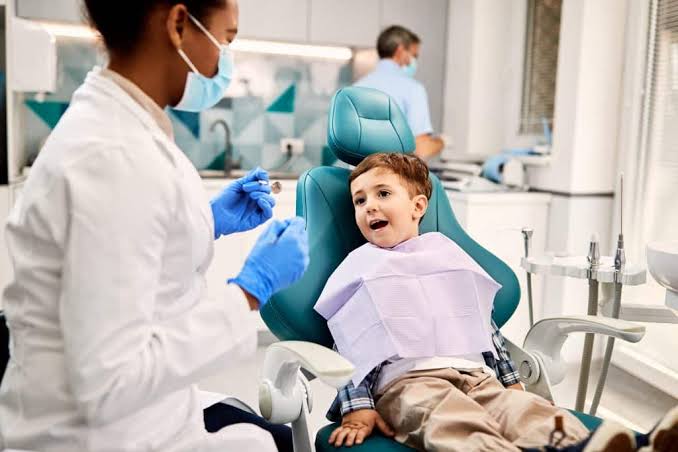
Dentists play a crucial role in maintaining oral health and hygiene, serving as the frontline defenders against a variety of dental issues. Their expertise extends beyond the common perception of simply filling cavities or cleaning teeth; dentists are trained professionals who diagnose, treat, and prevent oral diseases, ensuring that patients maintain their overall well-being. With a combination of advanced technology and a personal touch, they provide vital services that enhance not only aesthetic appearance but also functional health.
The importance of regular dental visits cannot be overstated, as many systemic health conditions can be linked to poor oral hygiene. From preventive care such as cleanings and fluoride treatments to restorative procedures like crowns and bridges, dentists are equipped to address a wide range of patient needs. In this article, we will explore the various aspects of dentistry, the education required to become a dentist, and the innovative trends shaping the future of oral care, highlighting why it is essential for everyone to prioritize their dental health.
The Role of Preventive Care
Preventive care is a cornerstone of modern dentistry, aimed at avoiding serious dental problems before they arise. Routine check-ups and cleanings allow dentists to detect early signs of issues such as cavities, gum disease, and even oral cancer. Through the use of advanced diagnostic tools and strategies, dentists can personalize care plans that address each patient’s unique needs. For instance, a consultation with a Dentist in Goodyear AZ can reveal specific risk factors and lifestyle adjustments to better manage oral health.
Advancements in Dental Technology
Technological innovations are revolutionizing the field of dentistry, making treatments more efficient and comfortable for patients. From digital X-rays that reduce radiation exposure to laser dentistry for precise procedures, advancements are enhancing the patient experience. Additionally, 3D printing is becoming increasingly prevalent in creating crowns and dentures, allowing for quicker turnaround times and custom fittings. As these technologies continue to evolve, they promise to improve outcomes and accessibility in oral care, underscoring the importance of staying informed about one’s dental health.
In conclusion, the role of dentists extends far beyond mere treatments, encompassing a holistic approach to health that prioritizes prevention, education, and the integration of innovative technologies. By fostering strong patient-dentist relationships and emphasizing the significance of routine care, dentists empower individuals to take charge of their oral health while mitigating the risks associated with neglect. As research and technology continue to advance, the future of dentistry holds even greater promise for enhancing treatments and patient experiences. Ultimately, recognizing the invaluable contributions of dental professionals and prioritizing regular visits can lead to healthier smiles and improved overall well-being for individuals of all ages.