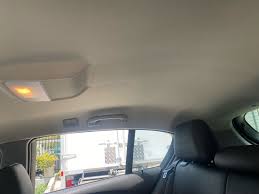
When it comes to automobile maintenance, the headliner often flies under the radar, yet it plays a crucial role in both aesthetics and functionality. The headliner is the fabric that lines the interior roof of a vehicle, and over time, it can sag, tear, or become stained, affecting the overall look and feel of the car’s interior. While repairing a headliner might seem like a simple DIY project, many car owners find themselves making common mistakes that can lead to subpar results and additional headaches.
This article aims to shed light on the most frequent headliner repair mistakes made by DIY enthusiasts and novice car owners. From using the wrong adhesive to misjudging the measurement of materials, these pitfalls can turn an otherwise straightforward repair into a frustrating endeavor. By understanding these mistakes and learning how to avoid them, you’ll be better equipped to successfully restore your vehicle’s headliner and enhance your driving experience.
Common Mistakes in Headliner Repairs
One of the most prevalent mistakes DIY enthusiasts make when repairing a headliner is using an incorrect adhesive. Many car owners underestimate the importance of choosing the right glue for the material and environment. Standard craft glues or general-purpose adhesives may not withstand the temperature variations and humidity levels inside a vehicle, leading to premature failure of the repair. Additionally, failing to prepare the surface properly, such as cleaning off old adhesive residue or ensuring the area is dry, can also result in poor adhesion and a bumpy finish. For those looking to delve deeper into these common headliner repair mistakes, understanding these nuances is crucial for achieving a professional-looking repair.
Measuring and Material Issues
Another frequent error is misjudging the measurements of the materials needed for the repair. Many DIYers will cut their fabric without taking precise measurements, leading to pieces that are either too small or excessively large. This not only affects the appearance of the finished product but also complicates the installation process. It’s advisable to take multiple measurements, especially in curves or contours, and to account for any fabric overlap. Moreover, selecting the wrong type of fabric can detract from the overall aesthetics of the vehicle’s interior, making it essential to choose a material that not only matches the color scheme but also complements the vehicle’s style.
In conclusion, while headliner repairs may seem straightforward, the potential for mistakes is significant and can lead to frustrating outcomes if not approached with care. From using inappropriate adhesives to inaccurately measuring materials, the common pitfalls can undermine the quality of your repair and elongate the process unnecessarily. To achieve a successful headliner restoration, it’s essential to prioritize proper preparation, select high-quality adhesive specific to automotive applications, and take meticulous measurements to ensure a perfect fit. By avoiding these typical mistakes and approaching the repair methodically, you can restore not just the functionality but also the visual appeal of your vehicle’s interior, ensuring a more enjoyable driving experience.